Tuesday, 30 May 2023

Writing PLD Session 3: non-fiction structures for writing

In the third Writing PLD session in this series, we shared structures for non-fiction writing.

The Simple View of Writing (Berninger et al, 2002) reminds us of the cognitive load involved in writing: children must simultaneously generate text, transcribe it, and monitor this activity (executive function).


We shared templates, tools and structures that can be used to assist our students in planning and writing different kinds of non-fiction texts. These tools support idea generation and executive function. They help our students to organise information so that they can plan and structure their writing effectively. As they write, these tools can be used as resources for checking that all information is included, in the right order. They can also be used to help with reviewing and editing writing.

We shared writing structures that can be used for writers at different ages and stages. 

These can be found in this attached slideshow.

Sunday, 12 March 2023

Writing PLD 2: using tools to structure our narrative writing


This PLD session builds on our previous exploration of how we use great text models to improve children's own writing.

Focussing on narrative writing, we examined how structural tools and frameworks have a dual purpose: to help us to unpick how stories are constructed and as a guide to building narratives of our own.

Writing is a complicated activity in which children are using several different skills at the same time. We considered how structural tools can help to lighten the cognitive load for writers, enabling them to focus on composition, content or language choices.

Examples: applying structural analysis tools to fairytales.


We agreed that, as with maths or science, it is important for us to find the through lines in our teaching across our different classrooms. This way, children can build on their knowledge as they progress through the school. Using a common language for discussing text features is part of this.

We are keen to find a separate opportunity to explore similar tools for analysing and writing non-fiction texts.

The supporting slideshow can be found here:

Writing PLD 2

Saturday, 4 March 2023

Emotional Coaching - Staff Only Day

A Clinical Psychologist lead a refresher session with us on Emotion Coaching at one of our Staff Only Days. Whilst the material was based on Emotion Coaching for parents - it's for all adults showing them the way. 

The work is based on the work of Dr John Gottman- you may have across his extensive work on emotions and we won't get into adult relatonships and the '6 lasting marriage predictions'- we will stick with the ' safer' area of parent/ children!

' Emotion Coaching works alongside positive forms of discipline that rely on providing children with clearly understood consequences for misbehaviour"
 
(Gottman, 1997) 

A taste of the four parenting styles identified by Gottman and his colleagues. Most of us use a mix but one is usually more dominant. The styles:

  1. Permissive
  2. Dismissive
  3. Disapproving
  4. Emotion Coaching

For more detail about each style:

To give you a link for further exploration if you are interested in more of the specifics we looked at : https://tuningintokids.org.au/. 

Enviroschools

This session was led by Chloe our Enviroschools facilitator.

Student session draft:

Thursday, 23 February 2023

Writing PLD 1: effective use of writing models

Our writing PLD cycle begins at text level. We know the value of good writing models to demonstrate text types and structures, purpose and voice, vocabulary and punctuation use. Writing models can also provide our students with a way into writing with sentence starters or accessible structures. We can also use text models to explore the choices that writers make and how we might edit and improve our own writing. Models might be published texts or created by our students.

For this session, we each shared at least four models, chosen with our students in mind: how will this writing model advance my students' understanding of texts and give opportunities to improve their writing skills? We tried to think at text, sentence and word level.

Sharing our models in small groups, we explored the uses we could put them to in the classroom.

We also drew some general conclusions based on our discussions.

This is saved here, in this slideshow.

Saturday, 18 February 2023

Setting the scene for our 2023 Writing PLD, 1st Feb. 2023

 1. A joyful literary culture.

In her book 'I've Got Something to Say', Gail Loane discusses fostering a joyful literary culture in our classrooms (and in our wider lives).

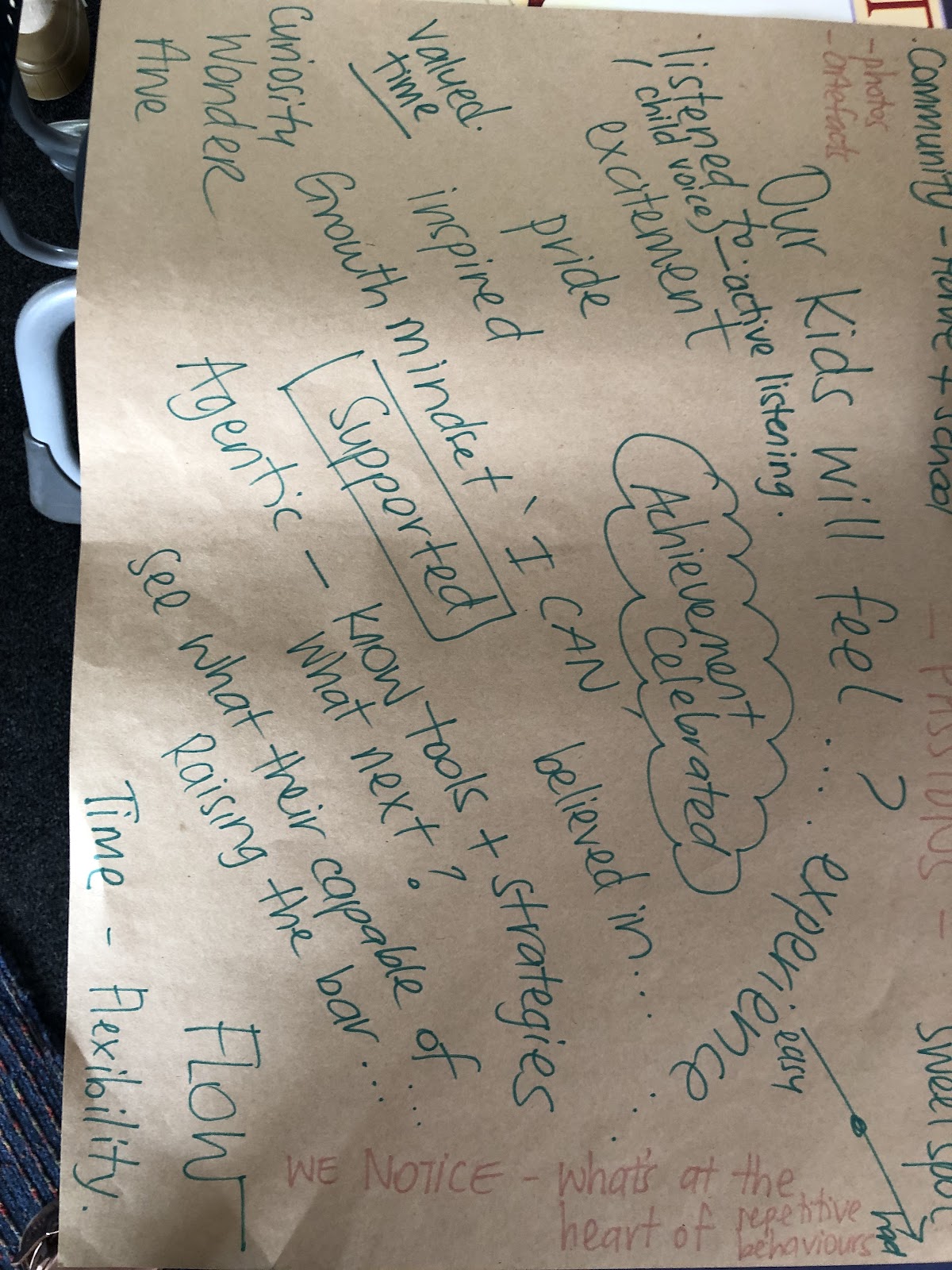
What does a joyful literary culture look like in our classrooms? What will we see, hear, feel?

Activity: 

(i) Write ideas on postits

(ii) Sorting components: physical environment vs. human (pedagogy, teacher actions).


2. We shared our personal experiences of an inspiring creative atmosphere. What are the implications for us in our classrooms?

3. John Hattie: what does it mean to be a successful teacher?

It's what we do from moment to moment in our classrooms that makes a difference.


4. Fostering a joyful literacy culture in our classrooms: what teacher actions can we take?


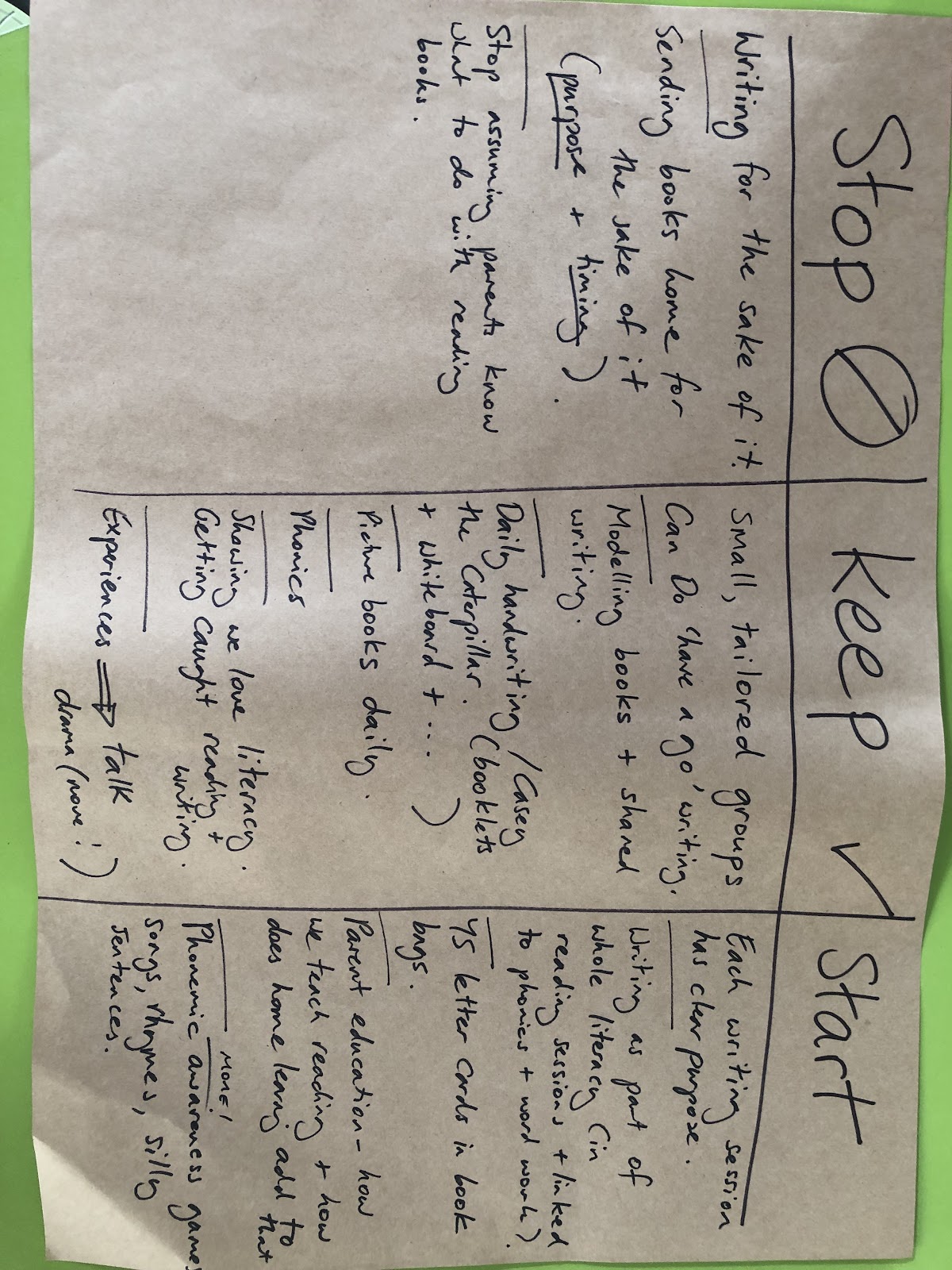
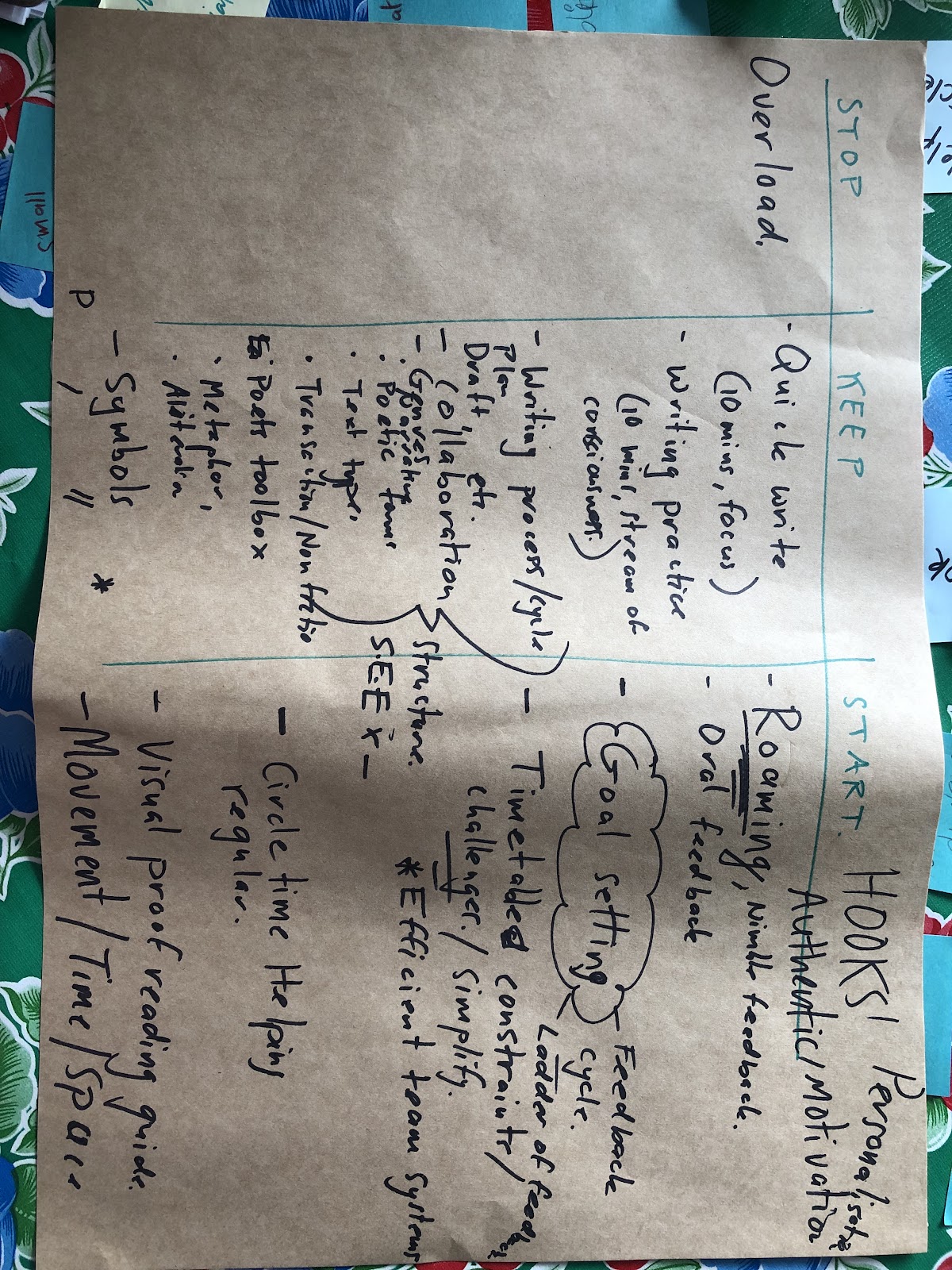
Stop, keep, start and further blue sky thinking for our own spaces.


5. PLD overview: what's to come?